
One of the most common questions we hear from patients (both before and after their procedure) is “When will I see results?” It’s a completely understandable thing to want to know, and the honest answer is that a hair transplant is a gradual process. The results are absolutely worth the wait, but understanding what’s happening at each stage makes the journey far easier to navigate.
Whether you’re still in the research phase and weighing up whether a transplant is right for you, or you’ve already had your procedure with us and want to know what comes next, we’ll walk you through what to expect after your hair transplant, month by month.
If you haven’t yet taken the first step, our consultation process is a good place to start. This is where Dr Shahmalak can assess your individual hair loss pattern, talk through your options, and give you a realistic picture of what results you can expect.
The day of your procedure and immediately after
Before the monthly timeline begins, it’s worth briefly touching on the day itself. Your FUT or FUE hair transplant at Crown Clinic is a same-day procedure, typically taking 6-8 hours from start to finish. Once your grafts have been placed and you’ve been through your aftercare briefing with our team, you’re free to head home.
In the first 24 hours, keeping the donor and transplant areas clean is the priority. Use your saline spray on the grafts every 30 minutes, avoid anything going over your head, and sleep with your head elevated on 2-3 pillows. Our hair transplant recovery guide covers everything you need in detail.
Your hair transplant: month-by-month
Days 7-10: The first week
Most patients take around 7-10 days off work following their procedure. By the end of the first week, the initial swelling and redness around the donor and transplant areas will have started to settle. You’ll notice some scabbing and crusting over the grafts. This is completely normal and a sign that healing is underway.
From around day 9-10, you can begin shampooing normally again, which will help remove these crusts naturally. Avoid any strenuous exercise during this period.
Month 1: Shedding begins
This is the stage that catches many patients off guard, so it’s important to be prepared for it.
Around 2-4 weeks after your procedure, you’ll notice the transplanted hairs beginning to shed. This can feel alarming, but it’s a normal part of the process. The hair shafts shed, but the roots remain firmly in place. Think of it as the follicles entering a temporary resting phase before new growth begins.
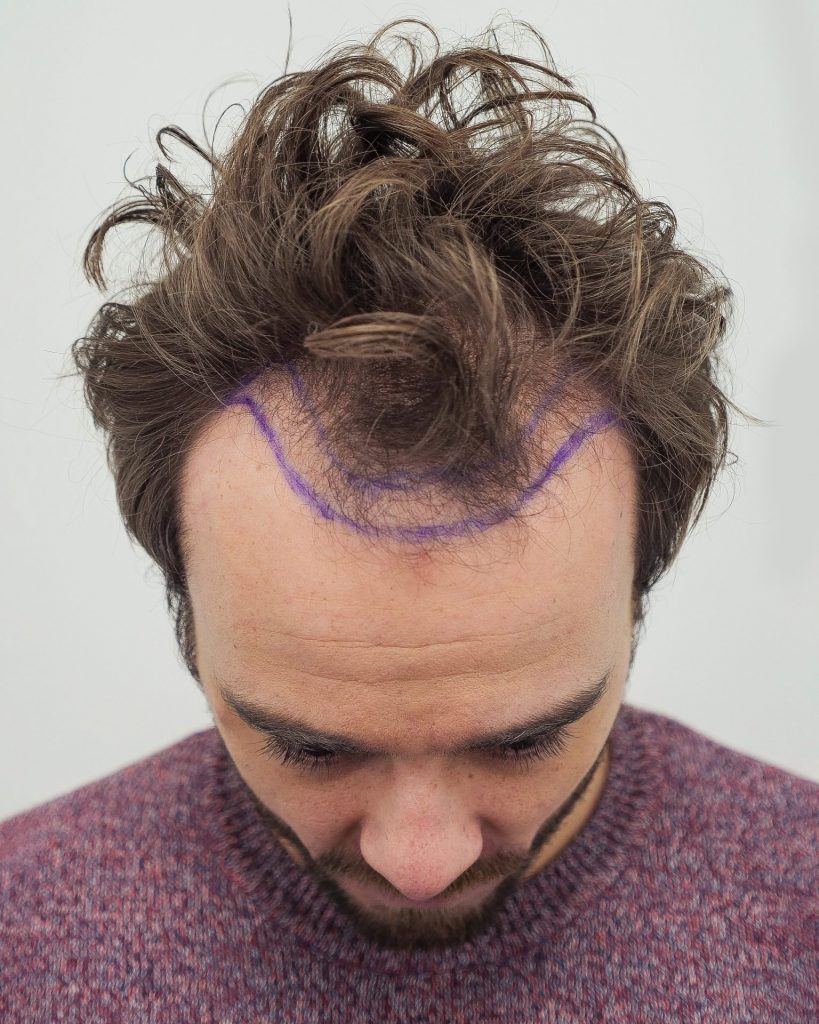
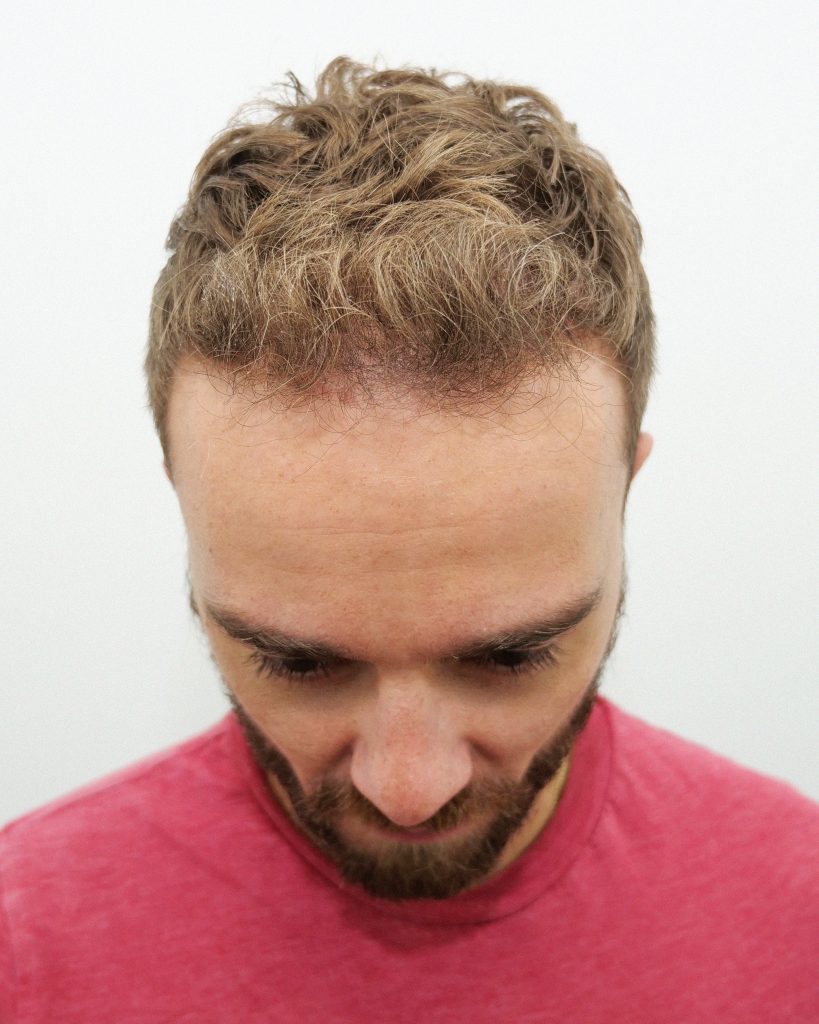
Months 2-3: The quiet phase
This is often the most frustrating period of the timeline, because not a great deal appears to be happening on the surface. Beneath the scalp, however, your follicles are establishing themselves and preparing to produce new hair. Some patients begin to see very fine, early growth emerging during month 3, but this varies from person to person.
Months 4-6: Early growth
By month 4, most patients start to see more visible new hair emerging. It will likely be fine and wispy at first, but this is genuine new growth from your transplanted follicles.
The hairline will start to take shape, and for many patients, this is the first point where the results feel tangible. It’s also a good time to come back to the clinic for a follow-up, so we can check on your progress and answer any questions.
Months 6-8: Results taking shape
The pace of growth picks up noticeably through months 5 and 6. Hair becomes thicker and more textured, and the overall coverage of the transplant area becomes much more apparent. This is typically the stage where patients start to feel genuinely excited about their results. The hairline becomes more defined, and styling becomes possible for the first time.
Months 9-12: The full picture emerges
By month 9, the vast majority of your transplanted hair will be growing, and by month 12, you’ll have a clear picture of your final result. For most patients, the 12-month mark is when the full density and coverage of the transplant becomes visible. Hair continues to mature and thicken beyond this point, but the transformation is clearly evident.
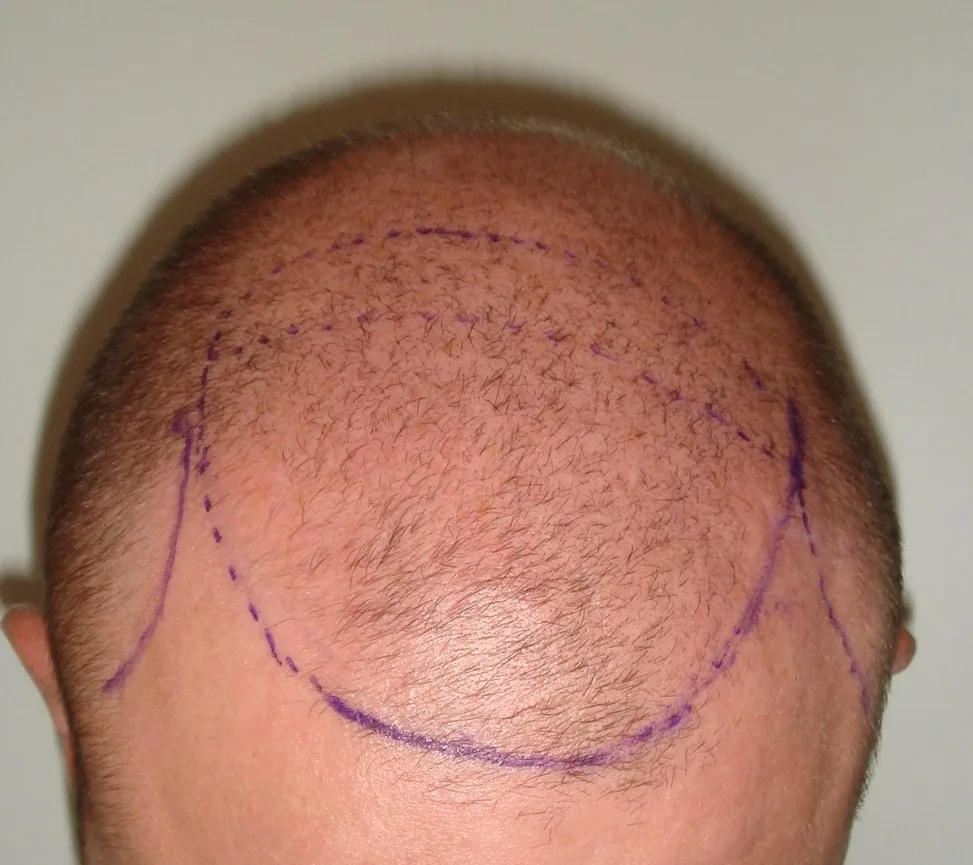
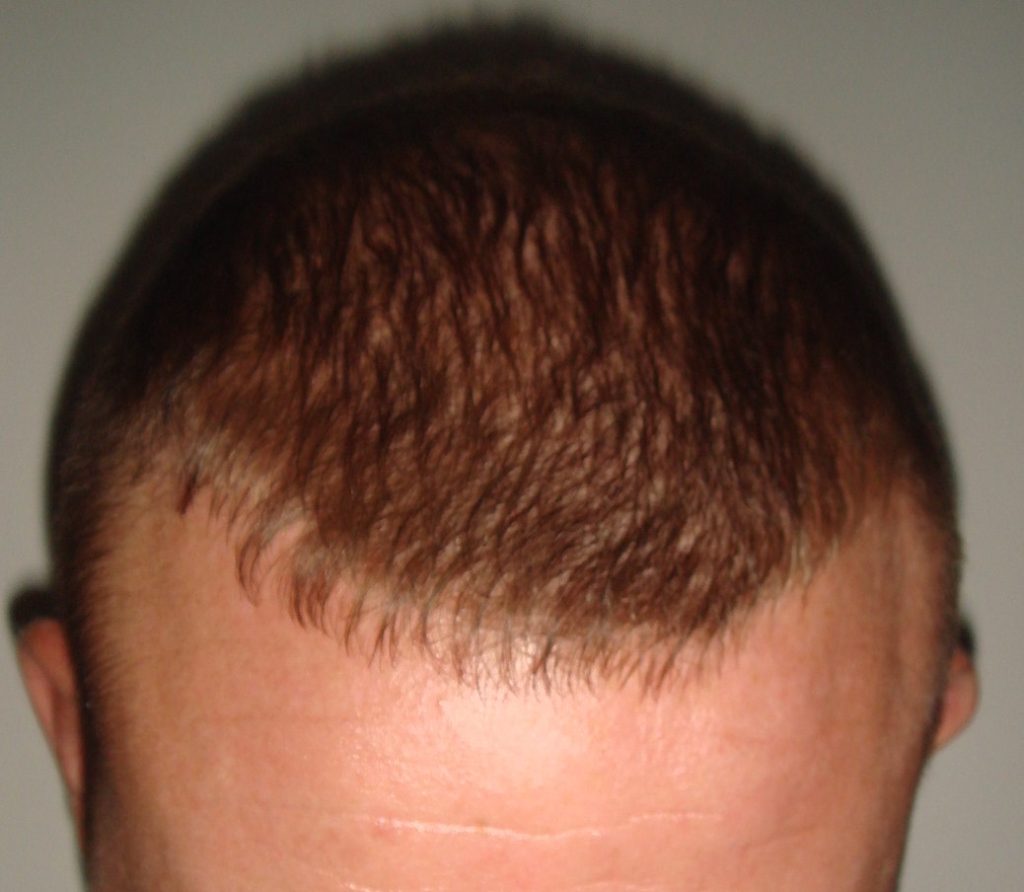
Months 12-18
Some patients, particularly those with larger transplants, may see continued improvement beyond the 12-month mark as hair continues to mature and thicken. Results from a Crown Clinic hair transplant are permanent. The transplanted follicles are taken from areas of the scalp that are resistant to hair loss, so they continue to grow for life.
Why patience is key when it comes to hair transplants
The single most important thing to realise when it comes to a hair transplant is that the timeline cannot be rushed. Every patient’s experience is slightly different depending on the number of grafts, their individual biology, and how well they follow the aftercare guidance. What is consistent is that those who follow the aftercare process carefully and give their results time to develop are the ones who end up most satisfied with their outcome.
If you have any concerns at any point during your recovery, our team is always on hand. If you have yet to start your hair transplant journey, book a consultation with us.
FAQs
When does hair start growing after a transplant?
Most patients begin to see early growth emerging around months 4-6, though it will initially be fine and wispy. More noticeable growth typically appears from month 6-8 onwards, with the majority of results visible by months 12-18.
Is it normal for transplanted hair to fall out?
Yes, shedding of the transplanted hair shafts during the first 2-4 weeks after the procedure is completely normal. The roots remain in place, and new growth follows. It can feel alarming, but it is an expected part of the process.
How long does a hair transplant take to fully heal?
The scalp is typically healed within 10-14 days of the procedure. Full results, however, develop over 12-18 months as the transplanted follicles grow and mature.
Will my results look natural?
At Crown Clinic, Dr Shahmalak designs every hairline individually, taking into account your facial structure, existing hair pattern and the number of grafts available. The aim is always a result that looks natural and grows like your own hair – because it is.
When can I come back for a follow-up?
We recommend coming back to the clinic at around 6 months post-procedure so we can review your progress. You’re also welcome to get in touch at any point if you have questions or concerns during your recovery.